
ANA’s 2026 Hill Day convened hundreds of nurses from nearly every state and U.S. territory, representing a wide range of specialties, practice settings, career stages, and lived experiences. Although we arrived with different journeys, we departed for Capitol Hill united with a common purposeーto advocate for the nursing profession and the people we serve.
Day 1: One Voice on the Hill
The morning opened with remarks from ANA President Dr. Jennifer Mensik Kennedy, who welcomed attendees and set the tone for a day centered on both unity and action. Representative Lauren Underwood (D-IL) followed in a fireside chat, drawing on her experience as both a public health nurse and a member of Congress to highlight that the public trust in nursing is a powerful foundation, one that must be paired with collective action to achieve lasting workplace and policy changes.
After receiving an overview of ANA’s legislative priorities, I began thinking about what makes advocacy effective. Before coming to D.C., I associated effective advocacy with strong evidence, research, statistics, and data that demonstrate the need for change. The credibility those elements establish does matter; however, I’m learning that they only tell part of the story.
As nurses, we do not simply bring information to these conversations; we bring the human experiences that give that information meaning. The stories behind the data, the moments of care, the challenges faced, and the experiences nurses witness every day are what make policy personal. Policymakers are, first and foremost, people with their own connections to healthcare through their families, communities, and personal experiences.
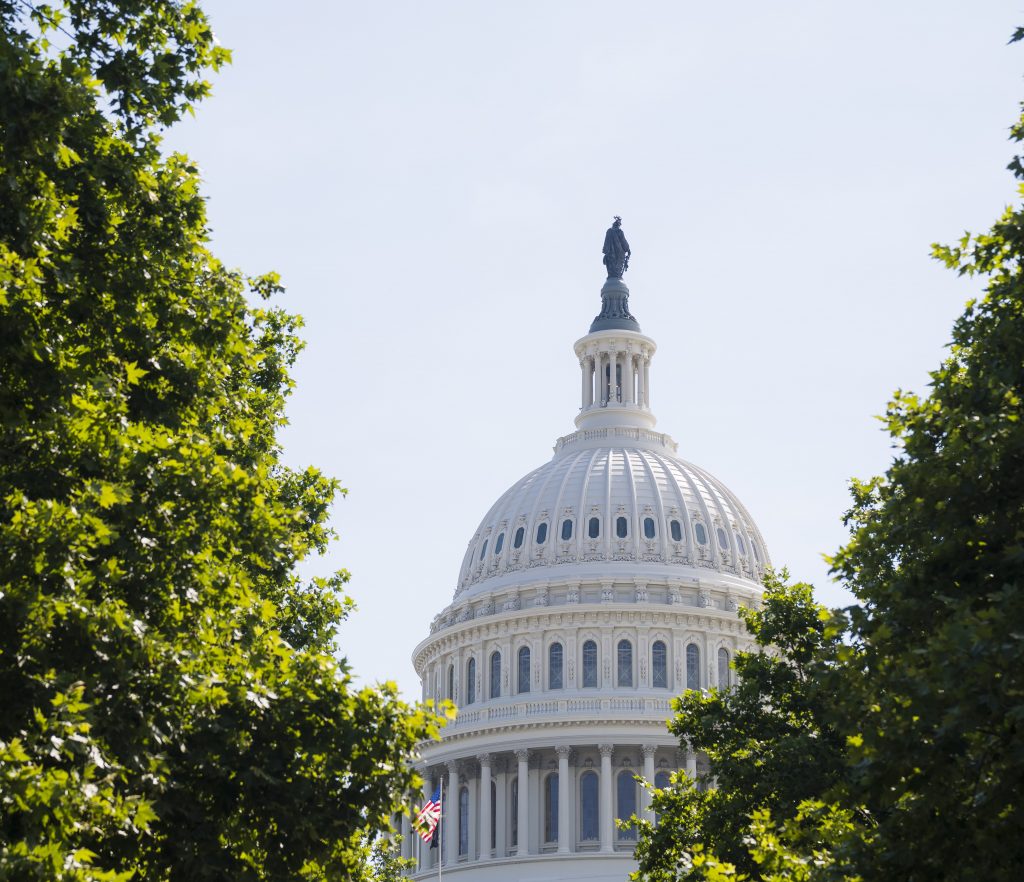
Moving through the Capitol’s tunnels and office buildings, I joined meetings with congressional staff from my home state of Texas, including the offices of Senator Ted Cruz, Senator John Cornyn, and Representative Greg Casar. I carried with me two perspectives throughout the day: that of an OR nurse and a third-year PhD nursing student. Together, they shaped how I listened, responded, and engaged with members of staff. The interactions felt conversational, and as the day went on, I found myself easing into the experience. I left Capitol Hill with a strong sense of pride for what we had accomplished.
Day 2: Advocacy Begins at Home
If Hill Day demonstrated how nurses advocate to Congress, Membership Assembly demonstrated how nurses advocate to one another.
The following day, members gathered to consider the direction and future of the ANA. Committees presented reports and proposals addressing organizational priorities, membership, and emerging issues facing the profession. The discussions were at times lengthy and complex, and not every topic moved easily toward consensus. Yet even in moments of disagreement, I saw a shared commitment to thoughtful dialogue and the belief that the profession is strengthened when diverse perspectives are brought forward.
As I explored the Assembly floor, educational exhibits, and historical displays, I was reminded that advocacy begins at home. It means shaping the future of nursing from within and ensuring that the profession continues to evolve alongside the needs of nurses and the communities we serve. The exhibits reflected the many dimensions of nursing, from ethics and professional values to initiatives supporting nurses’ own health and well-being. Throughout the day, I connected with nurses from across the country, learning from their experiences and perspectives while sharing my own journey as a PhD student. Many offered encouragement, saying, “Keep going. We need the next generation of nurse scientists to help lead our profession.”
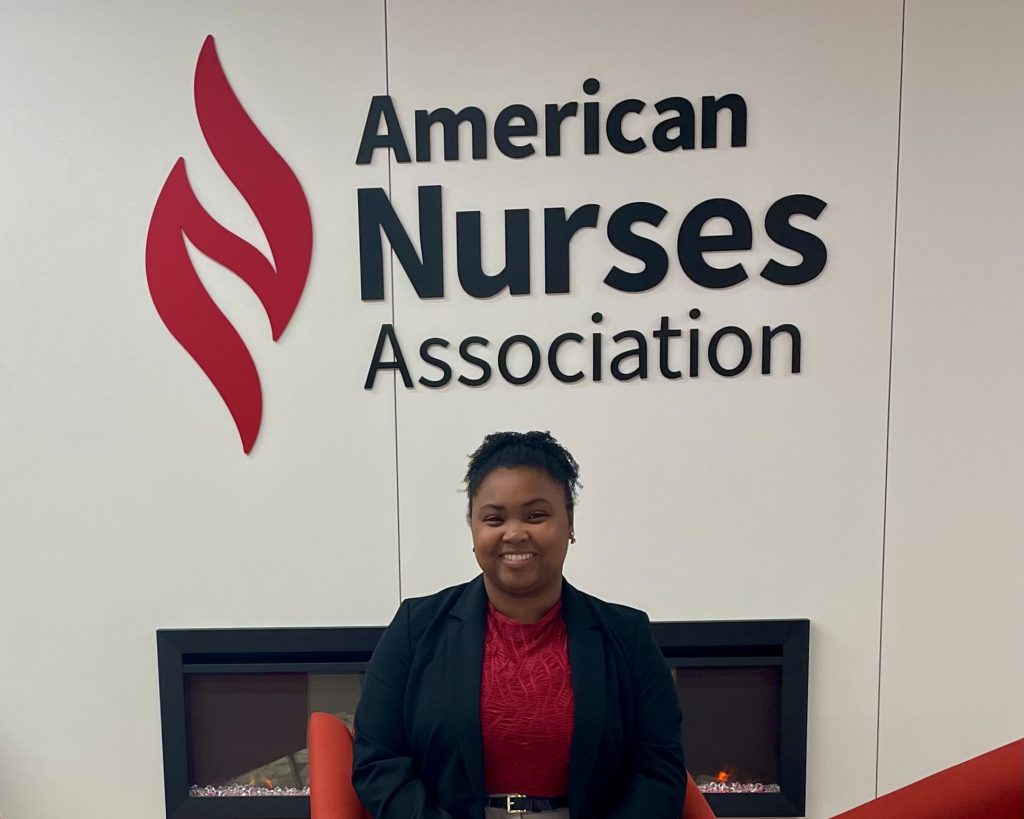
Before leaving that day, I paused at a podium displaying a book with the names of ANA members who had passed on, a quiet reminder of the many nurses whose contributions shaped the profession before us. It reminded me that nursing is a profession built across generations, shaped by those who came before us, strengthened by those advancing the profession today, and carried forward by those who will lead it tomorrow.
Carrying the Work Forward
As a novice still finding my way in the world of advocacy and health policy, I came to Washington expecting a deeper understanding of how policy change happens. What I’m leaving with is something much more enduring, a clearer understanding that advocacy is not a singular act, but a professional responsibility. It belongs not only to elected officials or policy experts, but also to every nurse willing to engage through sharing experiences with legislators, participating in professional governance, mentoring the next generation, and lending their voice to the issues that shape the future of nursing.
